
Held in Los Angeles, USA, Display Week 2026—the world’s largest display event—served as a fierce battleground where global companies vied for supremacy in the next-generation display market. In the realm of future display technologies, the central theme of this year’s exhibition was undoubtedly the “practical commercialization of Micro-LEDs.” Companies from China and Taiwan showcased their product realization capabilities by unveiling a wide array of modules ready for mass production and immediate application across specific industries.
Chinese display manufacturers demonstrated the breadth of their Micro-LED technology and its commercial viability across the entire spectrum of applications—ranging from massive, ultra-large displays to automotive display solutions.
BOE commanded the attention of visitors by positioning a massive 205-inch COG (Chip on Glass) Ultra Micro-LED display prominently at the very entrance of the exhibition hall. Furthermore, the company showcased its technological prowess by displaying a 16.5-inch transparent display prototype.
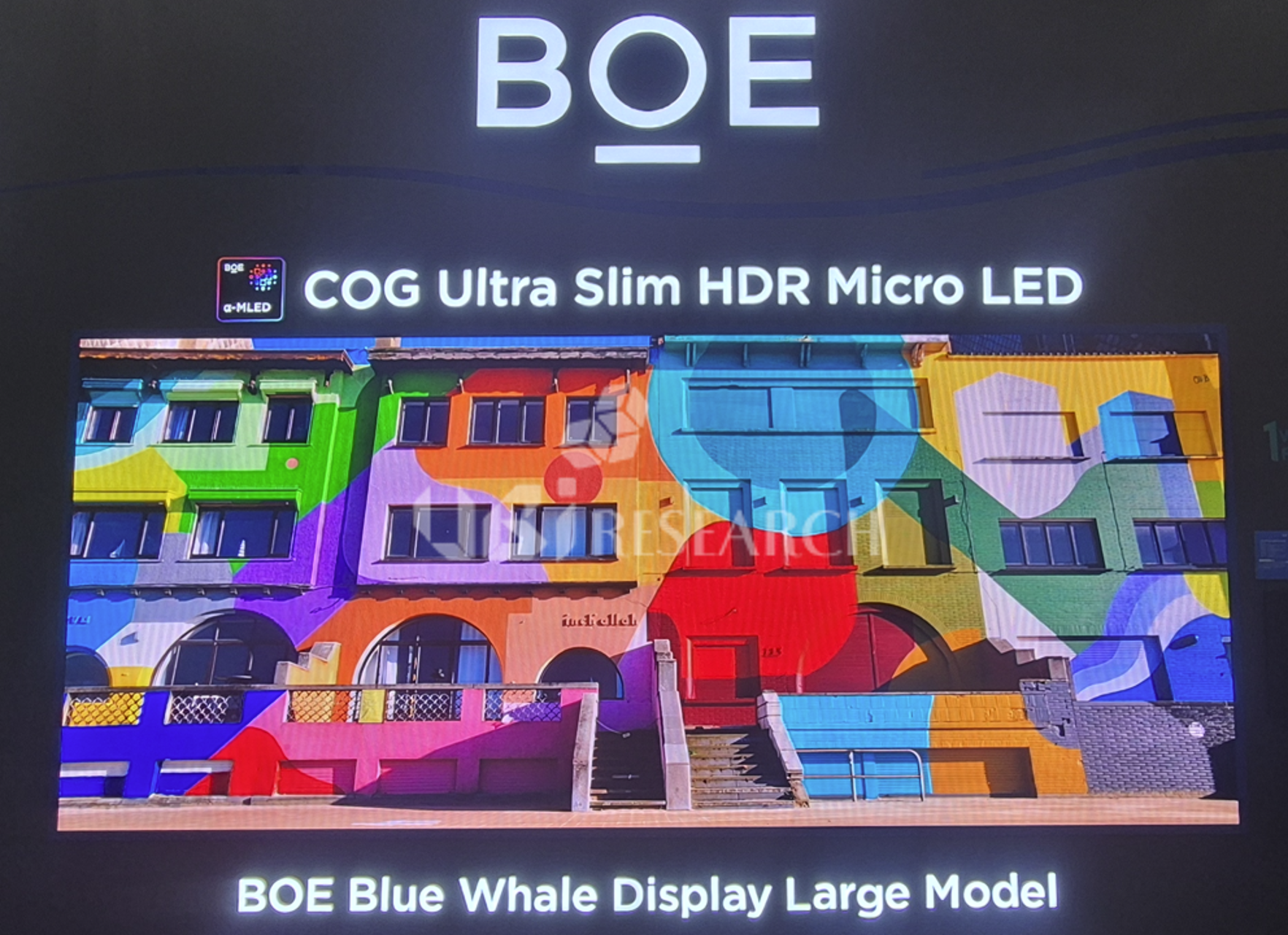
BOE’s 205-inch Micro-LED showcased at SID 2026. The ultra-large form factor demonstrates the commercial viability of the next-generation premium TV market. (Source: UBI Research)
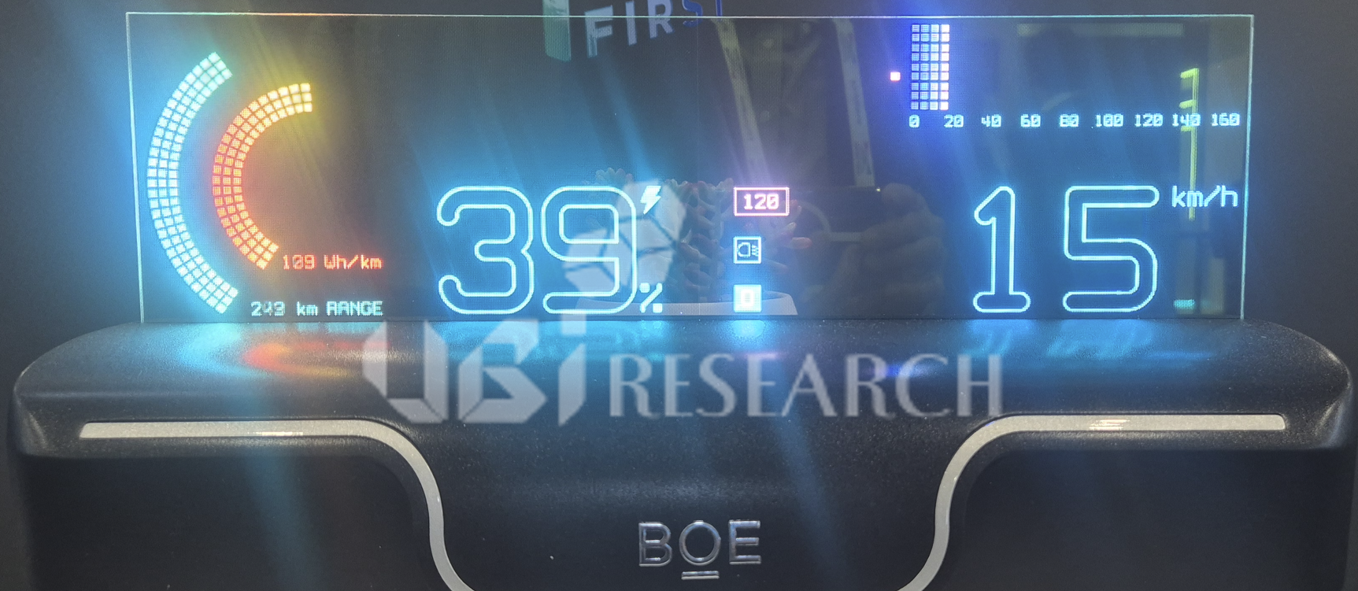
BOE’s 16.5-inch transparent Micro-LED achieving 70% transmittance. It materializes potential applications for mobility displays such as vehicle windshields. (Source: UBI Research)
Tianma unveiled a diverse range of modules that customers can verify firsthand on-site. By showcasing products such as a 27-inch (4×2 tiling) modular display, a 19-inch transparent tiling modular display for automotive use, a 3.16-inch transparent circular display, a 12-inch HUD display, and a 7-inch dual-sided display capable of double-sided operation, the company has accelerated its efforts to penetrate the automotive and other application markets.
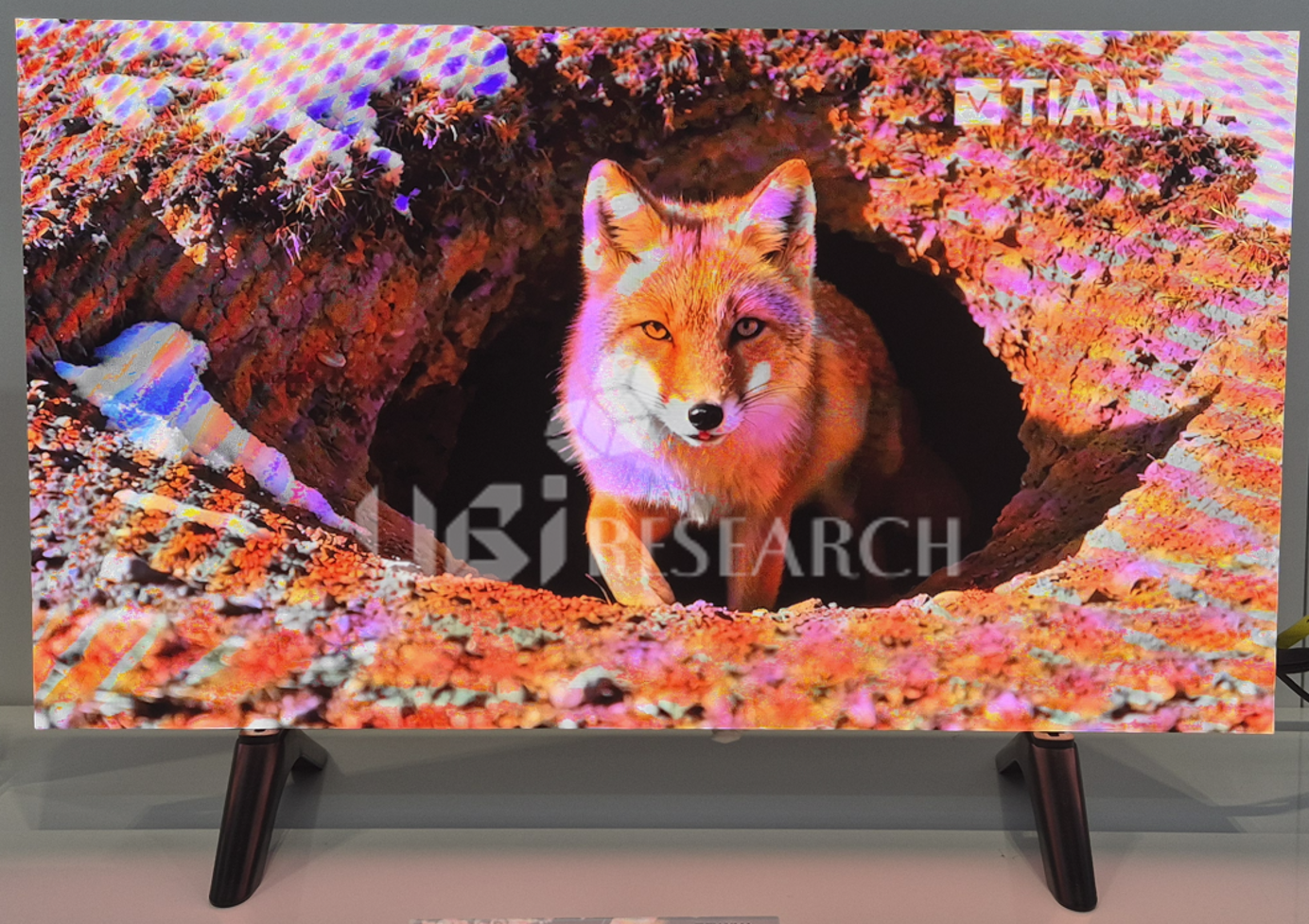
Tianma’s 27-inch modular Micro-LED with invisible seams. The screen size can be freely expanded according to the installation space. (Source: UBI Research)
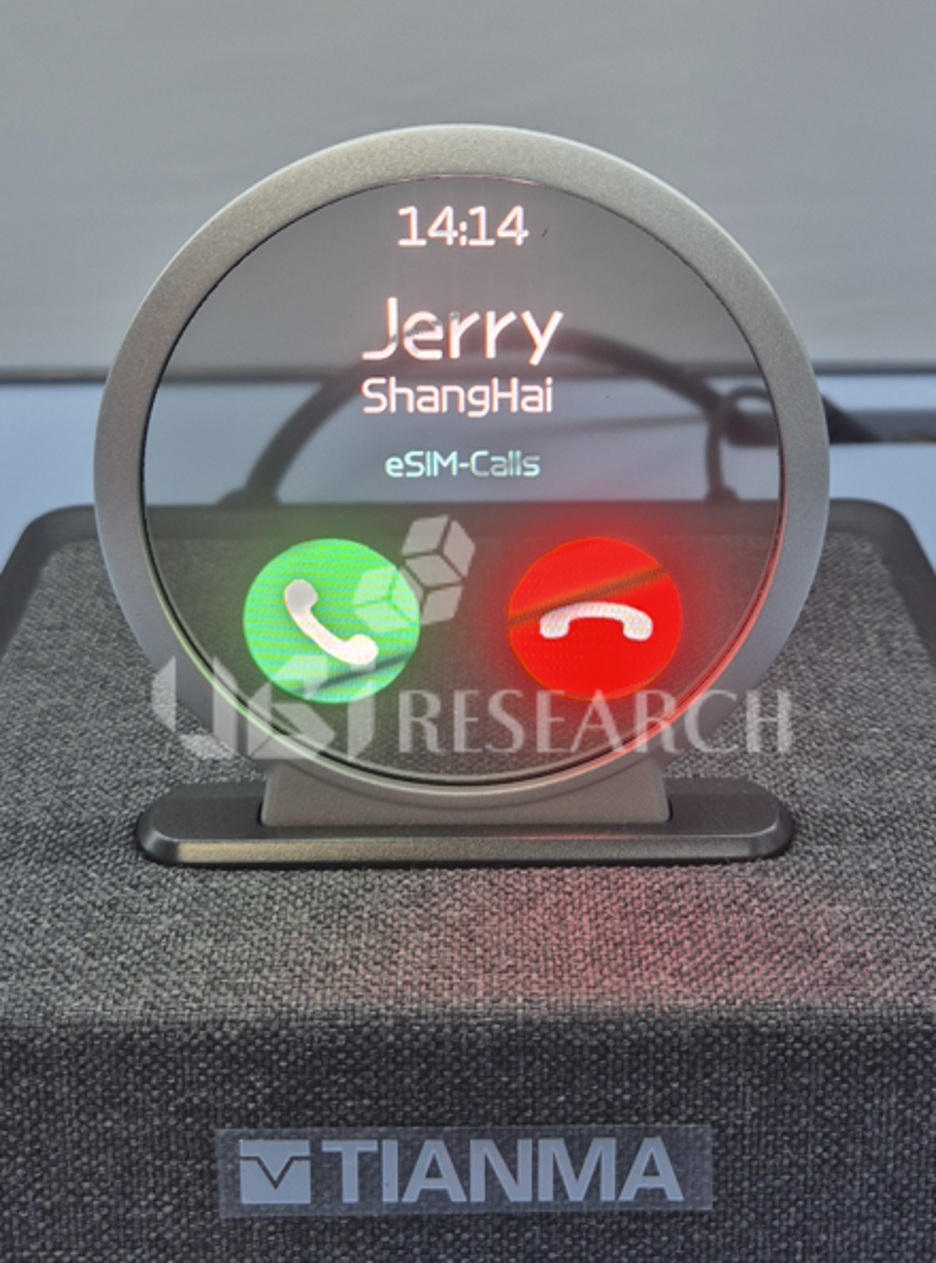
Tianma’s 3.16-inch transparent round Micro-LED. It presents a new design direction for small wearable form factors including smartwatches. (Source: UBI Research)
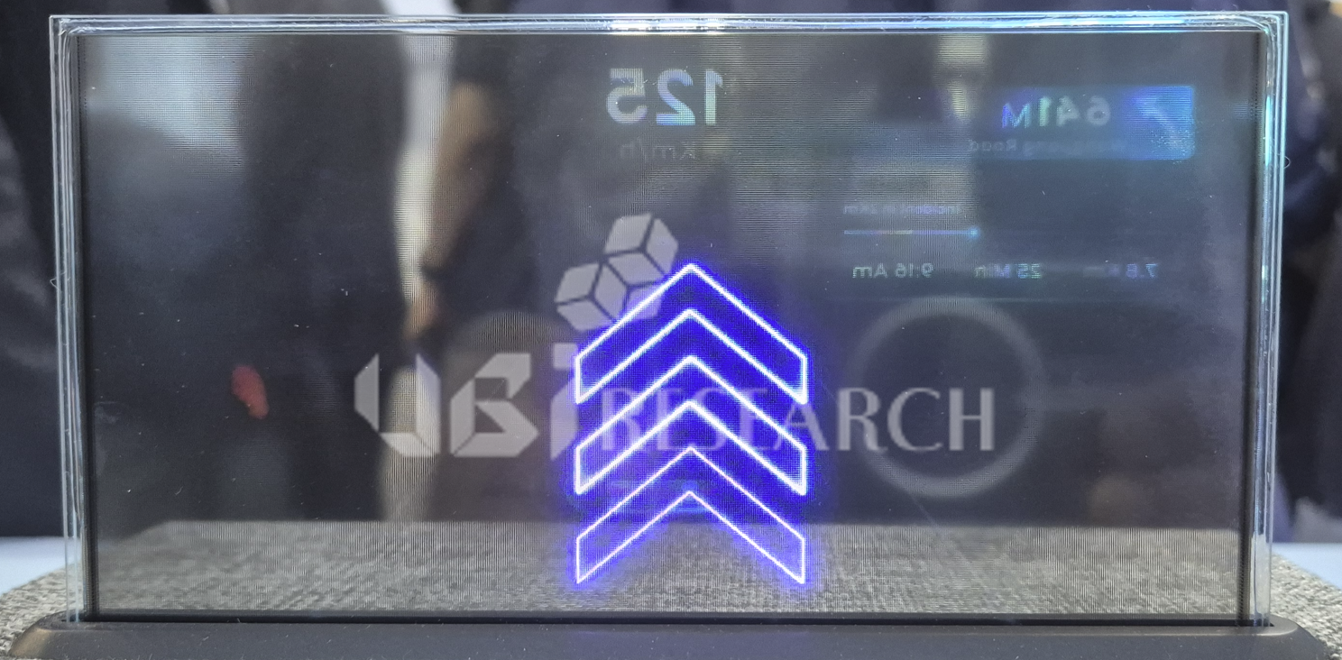
Tianma’s 7-inch dual-sided transparent display outputting screens on both sides of a single panel. It is highly useful in vehicle partitions and retail shop windows. (Source: UBI Research)
TCL CSOT demonstrated a 14.3-inch PHUD display and a 4.6-inch AR-HUD display boasting a phenomenal maximum brightness of 200,000 nits, signaling that they have completely resolved the issue of outdoor visibility (specifically, “Sunglass Mode” compatibility). Furthermore, by exhibiting a 0.28-inch single-chip full-color Si-Micro LED designed for AR applications, the company showcased its prowess in ultra-high-resolution micro-display technology. Visionox targeted the commercial large-format display market by highlighting its 135-inch 4K Micro-LED product.
Taiwanese companies AUO and PlayNitride unveiled a lineup of application products focused on enhancing user interaction, efficiency, and brightness in Micro-LEDs—strategies aimed at enriching the user experience and expanding into new application markets. With “interactivity” as its core theme, AUO exhibited intelligent (AI) interactive display solutions designed to facilitate consumer engagement in settings such as sports stadiums and retail stores, thereby proposing a user experience that transcends mere technology. PlayNitride, in addition to its 6.2-inch HUD display module, also focused its efforts on the smartwatch and AR markets. Leveraging its proprietary “Tantium” Micro-LED technology, the company presented high-efficiency, high-brightness Micro-LED products, as well as solutions for AR glasses that offer enhanced performance while minimizing power consumption.
The pace of technological advancement in Micro-LEDs demonstrated by companies from China and Taiwan at Display Week 2026 is truly astonishing. Until just last year, Micro-LEDs were often regarded merely as “future technologies” or “niche products for select customers”; however, the event signaled that these displays have now taken on concrete form factors—such as ultra-large-format TVs, automotive HUDs, and smartwatches—and, having successfully undergone customer validation, are poised to enter the mass production phase in the very near future. The cost-cutting efforts and aggressive volume strategies of Chinese companies—combined with the sophisticated application strategies of Taiwanese firms—have the potential to fundamentally reshape the landscape of the display market in the coming years. As issues related to cost reduction—specifically improvements in production efficiency and yield rates—are being rapidly resolved, the commercialization of Micro-LED technology is projected to accelerate significantly starting in 2026.
Namdeog Kim, Senior Analyst at UBI Research (ndkim@ubiresearch.com)
▶101 inch Micro-LED Set BOM Cost Analysis For TVs
▶Industry Trends and Technology of Micro-LED Displays for XR Report
※ This article is produced by UBIResearchNet.
Unauthorized reproduction or citation without source attribution is prohibited.
When quoting, please clearly indicate the source (UBIResearchNet) and provide a link.